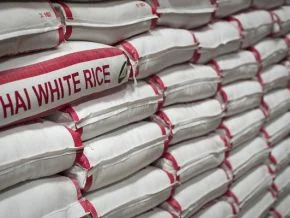
Burkina Faso suspended rice imports on April 29, 2026, with no end date, to support domestic producers. Existing permits remain valid for two months. The measure aligns with a regional wave of protectionist agricultural policies since late 2025, calling into question the viability of food self-sufficiency in West Africa.
The Burkinabe government announced the suspension of Special Import Authorizations (SIA) for rice, citing the need to absorb local production and stabilize producer incomes. Importers holding valid permits have two months to finalize their procedures, after which non-compliance will trigger sanctions. No official data has been released on unsold stocks or sector difficulties, but the move mirrors actions taken by neighboring states.
The decision comes as rice consumption in Burkina Faso has surged by nearly 300,000 metric tons between 2015 and 2022, according to USDA data. Despite being Africa's eighth-largest rice importer, the country’s domestic output remains insufficient to meet demand. The suspension exposes a tension between short-term market support and long-term structural deficits in local production capacity.
Burkina Faso is not acting alone. Senegal introduced a 50 FCFA per kg subsidy for locally purchased rice and temporary import curbs. Mali bought back 26,030 tons of unsold local rice. Ghana allocated 200 million cedis ($18 million) to purchase surplus from farmers for public institutions. This coordinated regional response suggests a collective push to reduce dependency on Asian imports, which have undercut local prices and discouraged domestic production.
However, the suspension carries risks. With local supply insufficient to replace imports, consumers may face higher prices or shortages. The move could also strain regional trade relations, as Burkina Faso is part of the Economic Community of West African States (ECOWAS), which advocates for free trade in goods. Balancing food sovereignty commitments with regional trade obligations will be a delicate act.
The long-term effectiveness of such bans depends on parallel investments in irrigation, storage, and market access. Without addressing production constraints, import suspensions may merely delay the inevitable need for foreign rice. The one-month window for existing permits suggests the government is testing the waters rather than committing to a permanent shift.
Burkina Faso's rice import suspension is the latest example of West African states asserting control over food systems. As the region grapples with climate volatility, population growth, and global price fluctuations, the tension between protecting local farmers and ensuring affordable supplies will deepen. Whether these measures pave the way for genuine agricultural transformation or remain reactive stopgaps remains an open question for policymakers and investors alike.